
- October 27, 2026
- in Cleaning
- by BillAfterBio
- 2
- 0
There’s a particular sort of night at the local when the pokies are humming, the footy’s on in the corner, and someone drags a deck of cards out for a quiet game in the back room. That mix of chance and patience is exactly what a keno poker tournament tries to capture, though it lives online now instead of behind a smoke-filled bar. At red baron you’ll find the setup pitched as a different sort of session, one that asks you to juggle two rhythms rather than chase one payout.
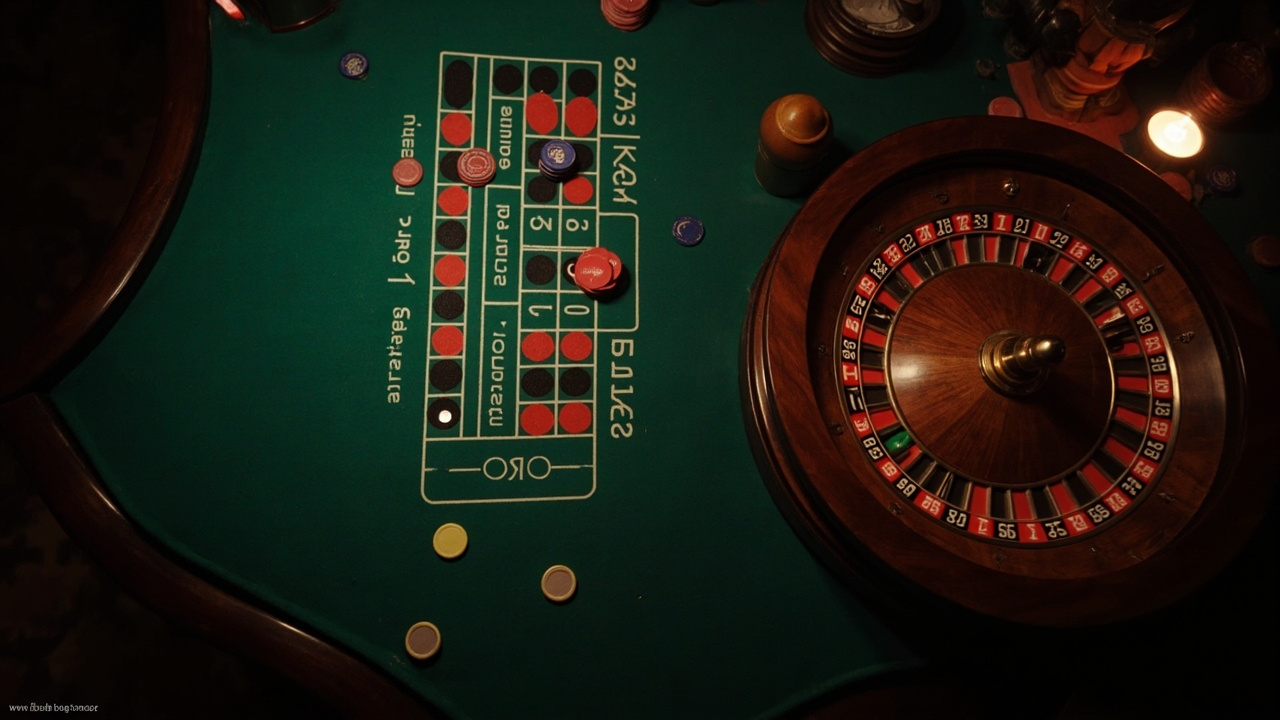
A keno poker tournament isn’t a straight poker grind, and it isn’t a keno sprint either. The idea is that you play a card tournament while keno rounds sit alongside as a separate draw, so your attention splits between reading hands and tracking numbers. The card side runs on a familiar hold’em structure, with blinds moving on a set clock and a soft cap on rebuys so the field stays manageable. The keno side runs on its own timer, and the two feeds don’t merge into one pot – they sit side by side so you can weigh which lane suits your headspace on the night.
That split matters because the two games reward different habits. Poker asks you to sit with incomplete information and make a call based on range and position, while keno asks you to accept that the draw is the draw and manage your stake around the pace of the board. If you’re the sort who likes a quiet session where the cards do the talking, the poker lane is where you’ll spend your energy. If you’d rather watch numbers tumble and keep your exposure tight, the keno lane gives you a slower cadence without asking you to outthink a table.
A few practical details shape how the night plays out:
If you’ve ever watched a mate sit through a long downswing and keep their head, you’ll know the discipline side of this. The format doesn’t care about your mood; it cares whether you can keep your staking sensible when one lane goes quiet and the other starts calling for attention. That’s the real test, and it’s why the setup suits players who want two ways to occupy the same evening rather than one narrow path to a result.
The welcome offer gets the headlines, but the ongoing bits are what decide whether you come back for a second arvo session. The card tournament keeps a rolling seat promotion that opens fresh entries on a weekly cycle, and the keno lane runs a separate loyalty tally that builds toward small cashback drops rather than one-off bonuses. Nothing here is life-changing on its own, but the point is that both lanes keep a reason to return without forcing you into a single bonus cycle that expires while you’re still learning the rhythm.
Cashback on the card side is calculated on qualified hands played within the tournament window, not on total deposit, which keeps the maths honest and the expectation grounded. The keno loyalty side works on a simple stamp approach – you collect marks for eligible draws and cash them in for modest credit that you can redeploy into the next run. It’s not a VIP ladder that dangles private lounges; it’s a low-friction way to keep a little value coming back while you figure out which lane suits you.
A quick look at how the recurring bits line up:
| Feature | Card tournament side | Keno side |
|---|---|---|
| Entry cycle | Weekly rolling seats | Continuous draws |
| Loyalty payout | Cashback on qualified hands | Credit from stamp tally |
| Currency | AUD in, AUD out | AUD in, AUD out |
| Rebuy window | Fixed, closes on schedule | Not applicable |
If you want to understand how swings like this play out over a proper session, it’s worth reading up on understanding online poker variance before you play, because the card lane can move in bursts and the keno lane can sit flat for a while before a draw catches your numbers. Knowing the shape of that variance helps you set a session limit that actually survives a quiet stretch, rather than chasing a feel-good result that the format was never built to guarantee.
The support side is straightforward – help is reachable through the usual channels during the session window, and the registration flow keeps the verification steps in place so the account is ready before you try to move money. Payments settle in AUD, and the mobile view keeps both lanes readable on a phone without pretending the screen is a full desktop. None of that is glamorous, but it’s the sort of boring competence that matters when you’re halfway through a session and just want the next draw or the next hand to load without a fuss.
If you’re new to this, don’t front up with a big buy-in and hope the cards sort themselves out. Treat the first night like a proper warm-up at the local – you’re there to learn the pace, not to chase a scoreboard. Here’s a simple way to walk in without overcomplicating it.
First, set a session limit in AUD before you register and write it down somewhere you can see it. That number is your ceiling for the night, not a target, and it keeps the card lane from eating into the keno lane when one goes quiet. Second, pick one lane to start with and give it a proper block of time before you drift to the other. If you begin on the cards, play the early blind levels without forcing action, and if you start on keno, mark your numbers and watch the draw cadence before you add more exposure.
Third, keep your staking flat and boring until you’ve seen a full cycle of both lanes. The card side will have hands where you’re drawing thin and moments where the board gives you a clean read; the keno side will have draws that pass you by and the odd one that catches a line. Neither lane rewards heroics on night one, and both punish the urge to turn a small setback into a bigger bet. Fourth, use the loyalty tally as a reason to return, not as a reason to stay longer than you planned. The stamps and cashback bits are small, and they’re meant to keep a second session sensible, not to justify an extra hour when your head’s already done.
There’s a reason old-timers in the card game talk about players like Chris Moneymaker, who won the WSOP Main Event in 2003 after qualifying online for just $86, and about Stu Ungar, who’s widely considered one of the most naturally gifted card players ever. The point isn’t that either of them walked into a keno poker tournament and cleaned up; it’s that card play has always had a mix of luck, timing and discipline, and the best of them knew when to keep their seat and when to step back. That same judgement call applies here – you’re not trying to be a legend on night one, you’re trying to leave with your limit intact and a feel for which lane suits your head.red baron
This format works for someone who wants a single session with two different tempos, not two separate hobbies tacked together. If you like the card game but don’t always want the pressure of a straight tournament grind, the keno lane gives you a slower sidecar to dip into when the blinds get busy. If you prefer numbers and don’t mind the cards as a side interest, the poker lane gives you a structured run without asking you to commit to a full table drama every time.Understanding Online Poker Variance Before You
It’s not for anyone chasing a single big hit from one lane, because the two feeds stay separate and the format is built around pacing rather than one dramatic payout. It’s also not a substitute for a proper poker grind if that’s what you really want, or a pure keno session if you’d rather keep the two worlds apart. The sweet spot is the player who wants a mixed evening, a sensible limit, and a reason to come back next week without the welcome offer being the only thing that brought them in.
For locals around Wollongong, that kind of session fits a night when you’ve finished the footy and you’re not quite ready to head home, but you don’t want to blow the whole evening on one machine or one table. You can sit in for the card run, watch a few keno draws on the side, and leave when your limit says so – no drama, no grand plan, just a session that gives you two ways to fill the arvo without pretending either one is a sure thing.
